Home / Articles
How Soon Can You Return to Work After Eyelid Surgery?
Home / Articles
How Soon Can You Return to Work After Eyelid Surgery?
It’s a natural concern. Most patients want to rejuvenate their appearance without having their daily lives disrupted for too long. At Browneye Medical Clinic, we see this question almost every day, and the honest answer is: recovery is highly individual. Still, with over 25 years of experience and thousands of successful eyelid procedures performed, we can share what typically happens and how you can prepare.
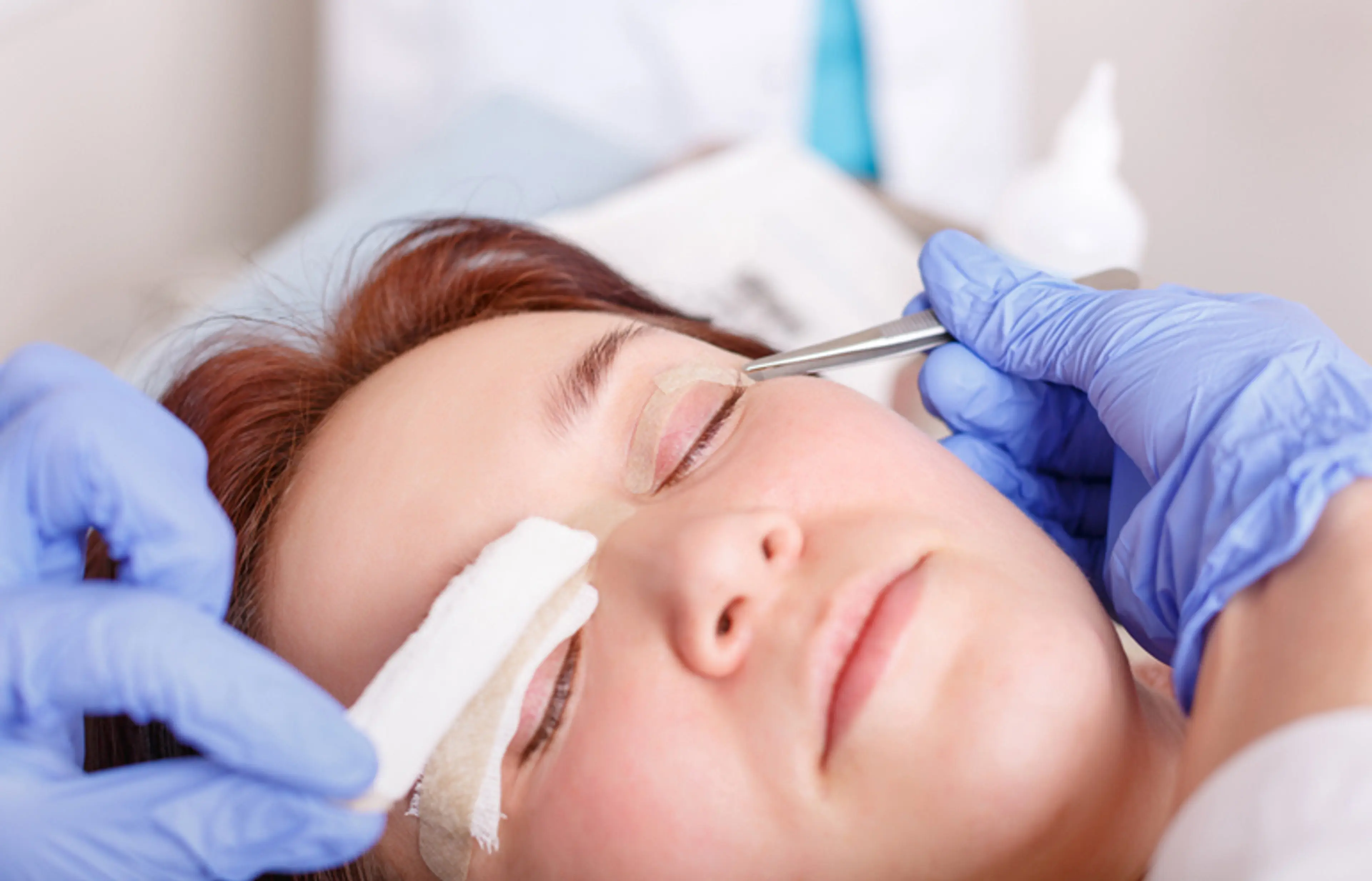
Eyelid surgery is designed to correct drooping upper lids, remove puffiness, and smooth excess skin. While it’s a relatively minor procedure compared to other facial surgeries, your eyelids are delicate. They bruise and swell easily, which is why recovery tends to look more dramatic than it feels.
Another factor to keep in mind: because your eyes are central to how others perceive you, even small changes during the healing phase can feel noticeable. This makes timing your return to social or professional life an important part of planning.
Although every patient heals at their own pace, most follow a fairly predictable recovery pattern. Understanding what to expect each week can help you plan your time off work more confidently.
Swelling and bruising peak within the first 48 hours.
Cold compresses applied for short intervals reduce swelling and discomfort.
Keeping your head elevated, even while sleeping, prevents fluid buildup.
Your eyes may feel tight, watery, or slightly dry, but this usually resolves quickly.
Many patients limit screen use to avoid eye strain.
👉 At this stage, returning to work is not recommended. Rest and recovery are the priority.
Stitches, if used, are typically removed on day 5–7.
Bruising may still be visible, often changing colors as it heals (purple → green → yellow).
Swelling begins to improve noticeably.
Patients often feel physically well and eager to resume normal routines.
👉 Many office workers choose to return after one week, especially if they don’t mind some residual bruising or can use makeup and glasses to conceal it.
Most visible bruising has faded.
Swelling continues to improve, though subtle puffiness may remain.
Makeup can usually be applied to conceal any remaining discoloration.
Your eyelids begin to look more natural, and incisions (if any) are less noticeable.
👉 This is the most common window for returning to work. By this point, the majority of patients feel comfortable interacting with colleagues or clients without self-consciousness.
The healing process continues, but most changes are subtle.
Bruising is generally gone, and swelling is mild.
Incision lines, if present, continue to fade over the next several months.
👉 For most patients, two weeks marks the point where they feel “public ready” — confident enough to resume both professional and social activities.
While the average patient can return to work within 7–14 days, several variables may influence your personal recovery.
Every patient is unique. Younger individuals with good skin elasticity may recover faster, while older patients may experience more prolonged swelling. Overall health, hydration, and lifestyle choices such as smoking can also influence healing.
While you can’t rush biology, you can support your body’s healing process. Patients at Browneye Medical Clinic often shorten their downtime by following these steps:
One of the most common questions patients ask is when they can safely use makeup again. Typically, light eye makeup can be applied after the first week once stitches are removed and the skin has started to heal. However, it’s important to use clean brushes and gentle products to avoid irritation.
Many patients find makeup an effective way to camouflage residual bruising and feel more confident returning to work sooner.
Although swelling and bruising are a normal part of recovery, certain strategies can help minimize them:
At Browneye Medical Clinic, we often combine traditional post-operative care with modern recovery techniques to ensure patients heal as smoothly as possible.
However, the decision is always individualized. For some, returning early with mild bruising is acceptable. For others, especially those in high-visibility roles, taking the full two weeks provides peace of mind.
So, how soon can you return to work after eyelid surgery? For most people:
Every recovery journey is different, but with proper planning and support, most patients find the downtime surprisingly manageable.
If you’re considering eyelid surgery and want to minimize disruption to your routine, Browneye Medical Clinic in Seoul can help you plan the entire process — from choosing the right procedure to ensuring you return to work looking refreshed and confident.